Country

Trips to Spain

From Seville's whitewashed streets to the Canaries' volcanic coastline

Few countries pack this much variety into one trip: viajar a España means medieval cities, Atlantic islands, Pyrenean valleys and tables that keep you there long after you've finished eating.

Your Spain, built around you
Tailor-made

Your Spain, built around you

Tell us which Spain you're after — Alhambra and tapas bars, island beaches, pintxos in the Basque Country or all of the above — and we'll put together a trip that fits how you actually travel.

Request a tailor-made proposal
The table that stays busy until midnight
Spain

The table that stays busy until midnight

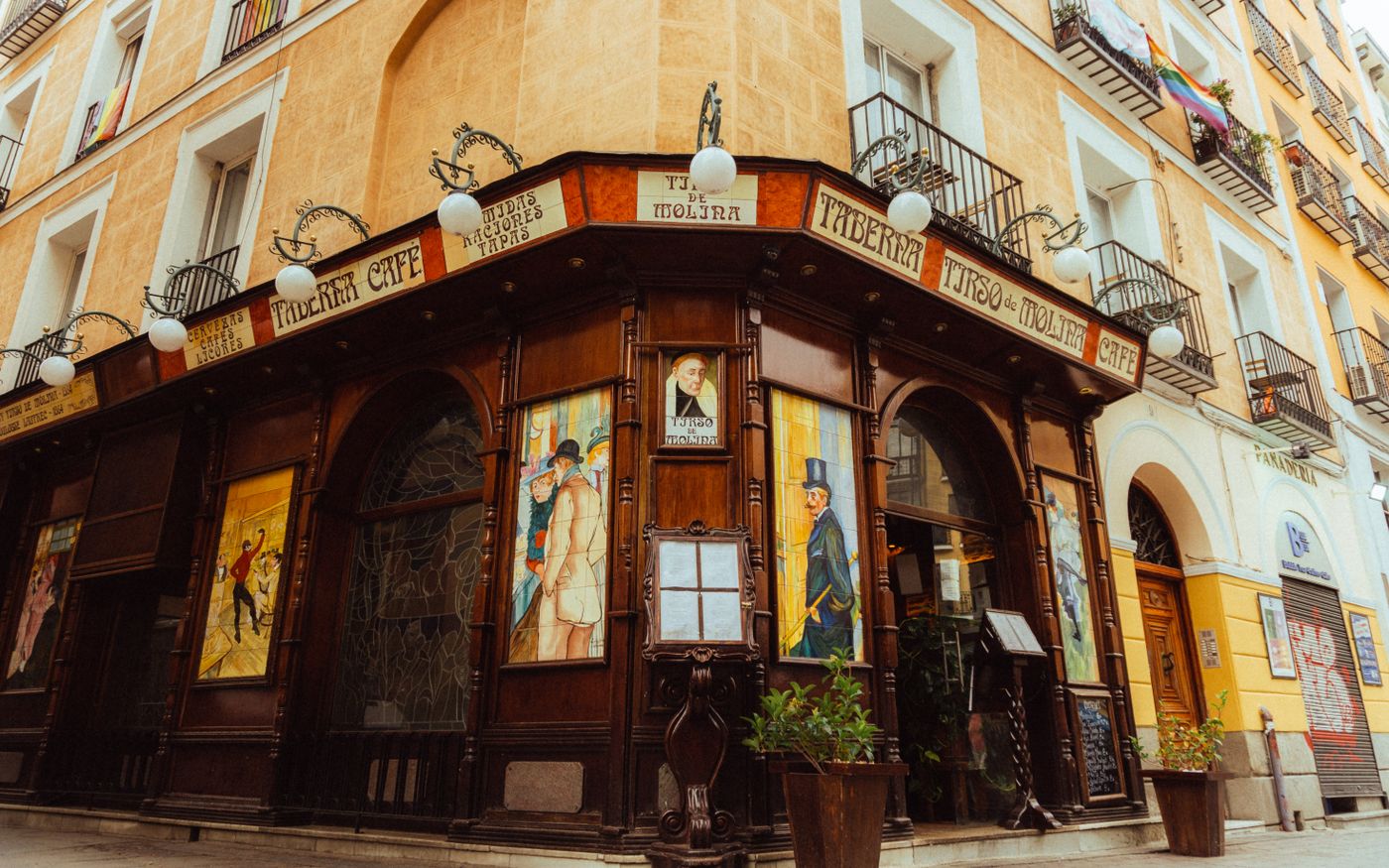
In Spain, eating is an event. Markets open at dawn so chefs can choose by hand; by noon the bar stools are full and the vermouth is poured. Sitting down at 9 pm for dinner isn't late — it's exactly right. The rhythm of the table is one of the first things you notice and the last thing you want to leave behind.

A palace built for a king who never finished it

A palace built for a king who never finished it

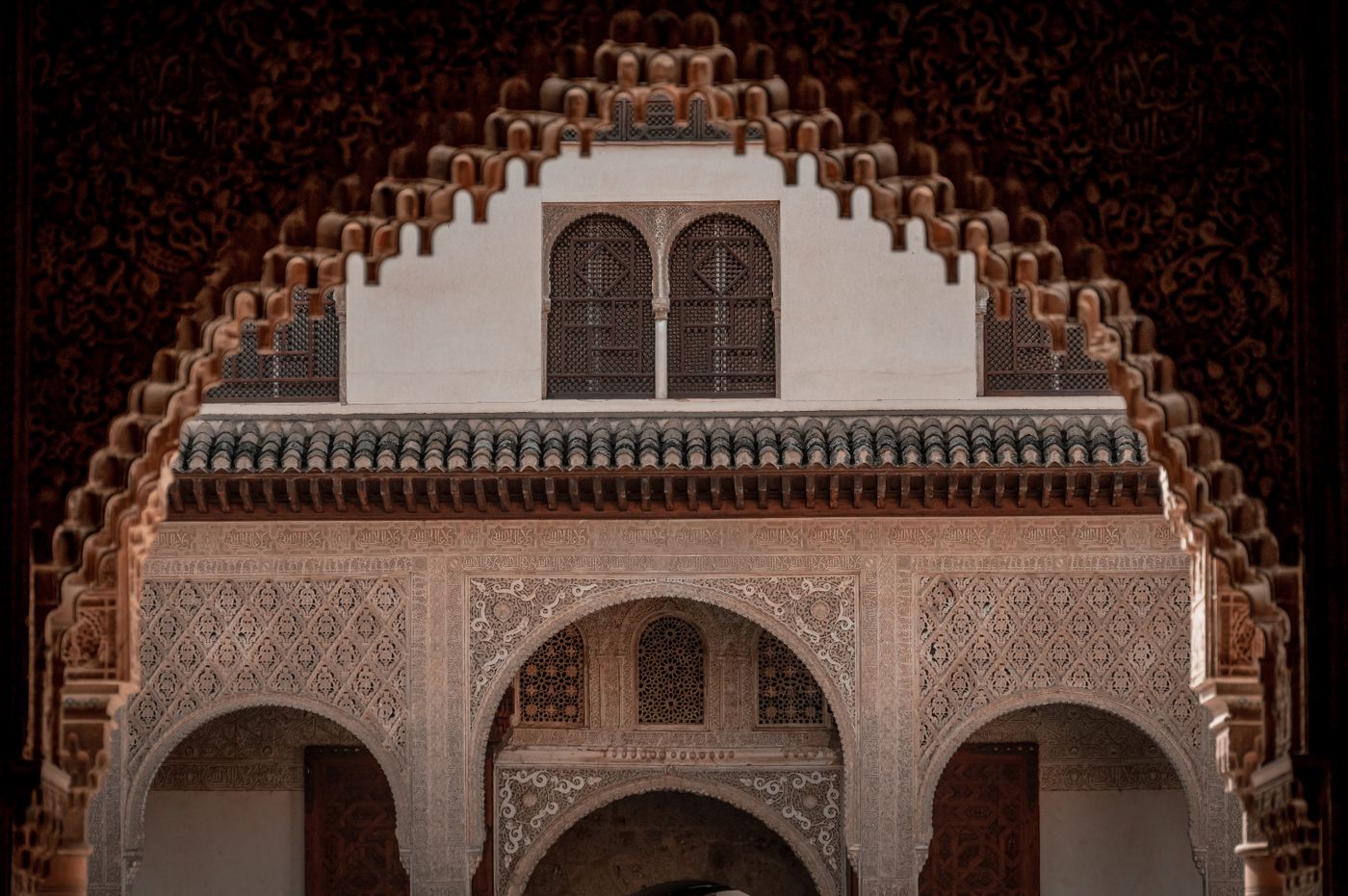
The Alhambra in Granada was built over two centuries and never entirely completed. That unfinished quality is part of its pull — carved plasterwork giving way to raw brick, garden terraces with views that stop conversation cold. Book the timed entry slot well before you arrive: it sells out weeks ahead.

Where the Atlantic meets volcanic rock

Where the Atlantic meets volcanic rock

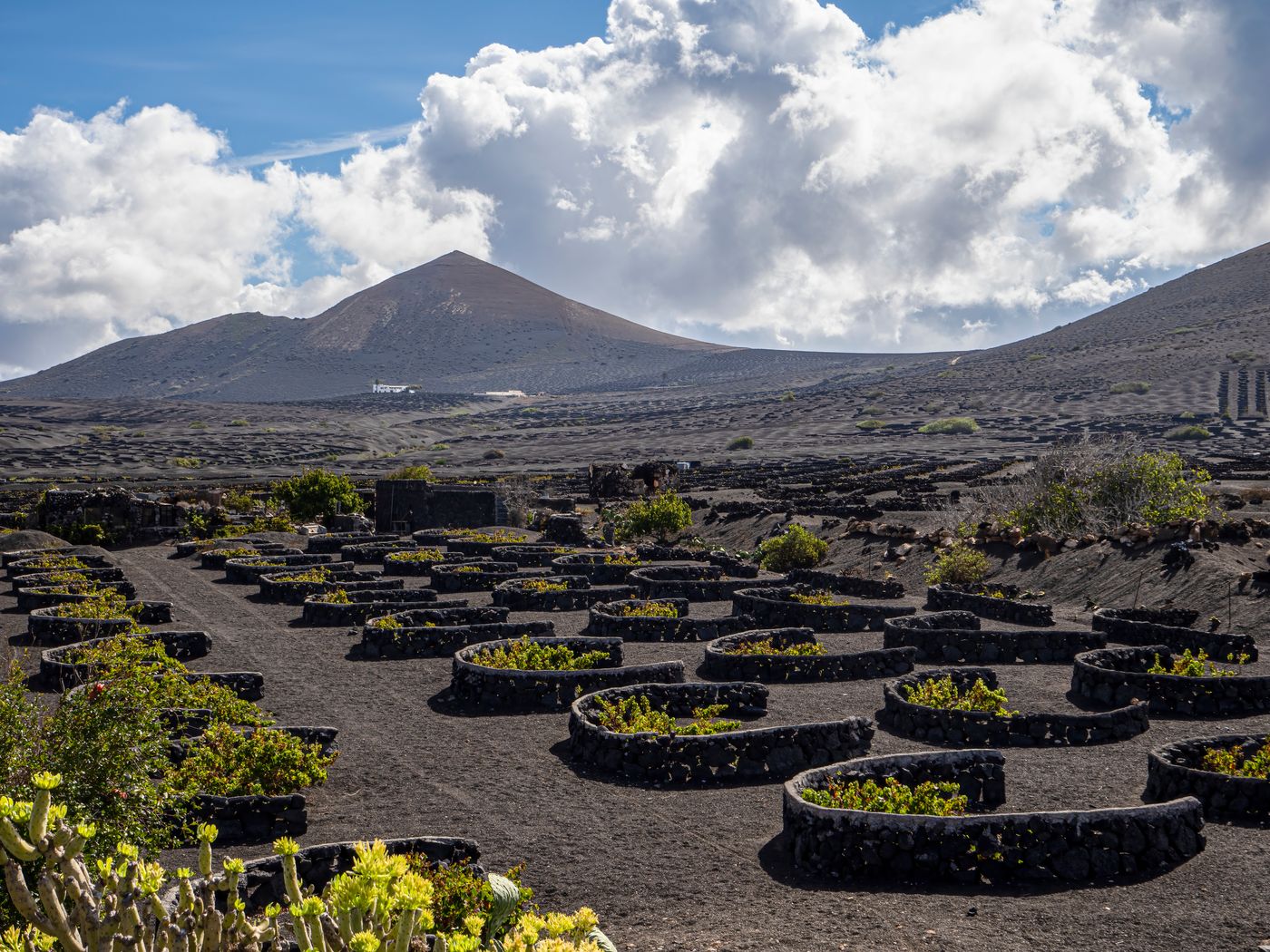
Lanzarote doesn't look like the rest of Spain. Black lava fields run down to clear water; vineyards grow inside volcanic craters with curved stone walls built to catch the night dew. In winter, when northern Europe is grey, the island sits at around 20°C — which explains why it keeps drawing people back year after year.

How we plan your trip to Spain

Spain is big enough to feel overwhelming and familiar enough to underestimate. We help you cut through both.

  1. 01

    Tailor-made from the start

    We don't slot you into a fixed route. Every trip we arrange — city break, island hop or Andalusian road trip — starts with a conversation about how you travel and what you want to come home with.

  2. 02

    The right mix of travel styles

    Spain works equally well self-guided, on a cruise stopping at Barcelona or Mallorca, or as a fully arranged land journey. We match the format to your trip, not the other way round.

  3. 03

    Families, couples and solo travellers

    Our trips suit different ways of travelling: a couple after Seville in spring, a family with teenagers looking at Barcelona and the coast, or a solo traveller ready to follow the pintxos trail north.

We plan your trip to Spain

We help you choose how, when and for how long.

Request my proposal
Guide

What to see and do in Spain

Spain stretches from the rain-green northwest to the Sahara-edge south and out into the Atlantic. Here are the regions that reward the most — and what actually sets each one apart.

Andalusia
01

Andalusia

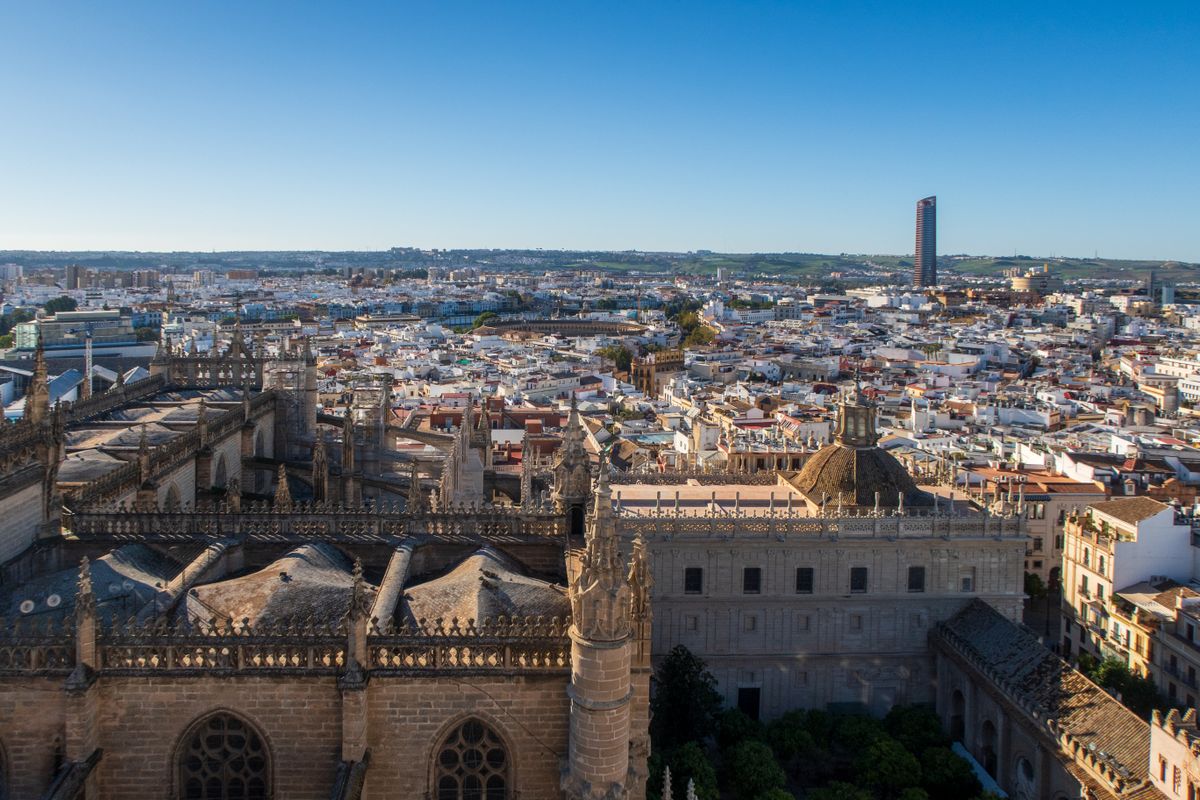
This is the Spain most people picture first — and it earns that status. Granada's Alhambra, Seville's cathedral and Córdoba's Mezquita sit within a few hours of each other, and the spring Feria de Abril in Seville adds a week of flamenco and horse parades that transforms the city entirely.

The heat in July and August is real: Seville regularly touches 42°C. Come in March–May or October–November and you get the same light with a fraction of the effort.
Barcelona & Catalonia
02

Barcelona & Catalonia

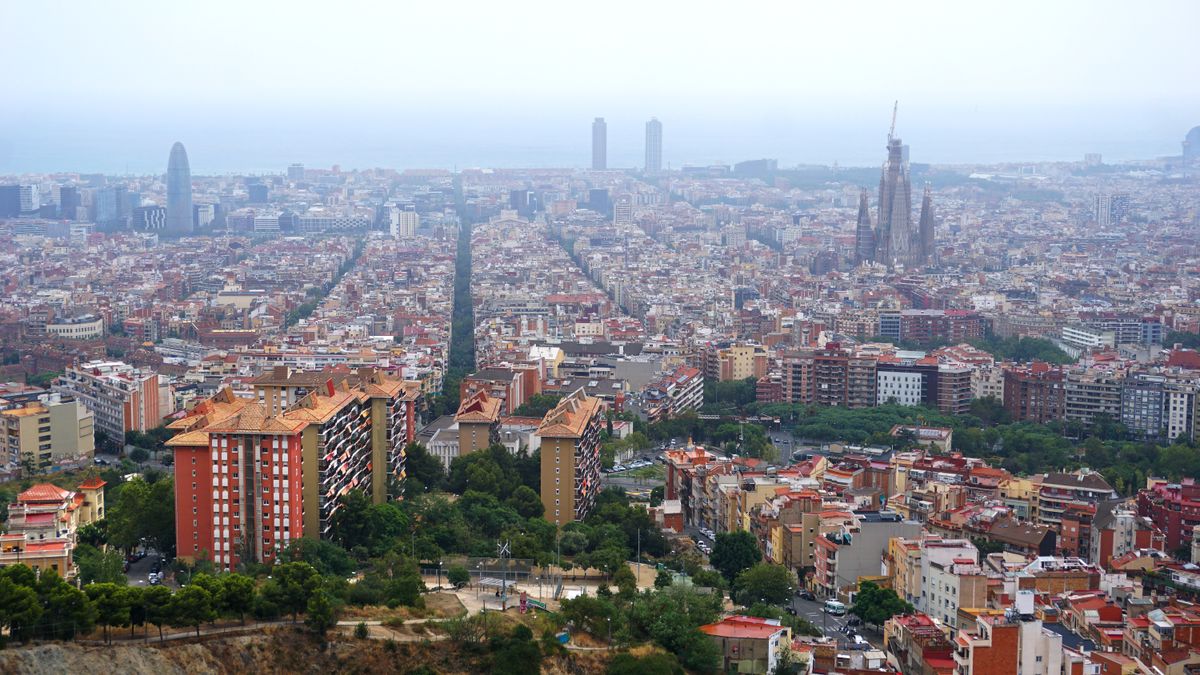
Barcelona is often the first Spanish city people visit and not always the best understood. Beyond the Sagrada Família queue, there's a city of neighbourhood markets, Gothic lanes and a coastline that changes personality from beach to rocky cove within minutes of the centre.

Catalonia extends far north into the Pyrenees and the Costa Brava — a stretch of dramatic cliffs and small fishing ports that tends to be overlooked when everyone heads south. May–June or September–October give you the weather without the August crowds.

Madrid & Castilla
03

Madrid & Castilla

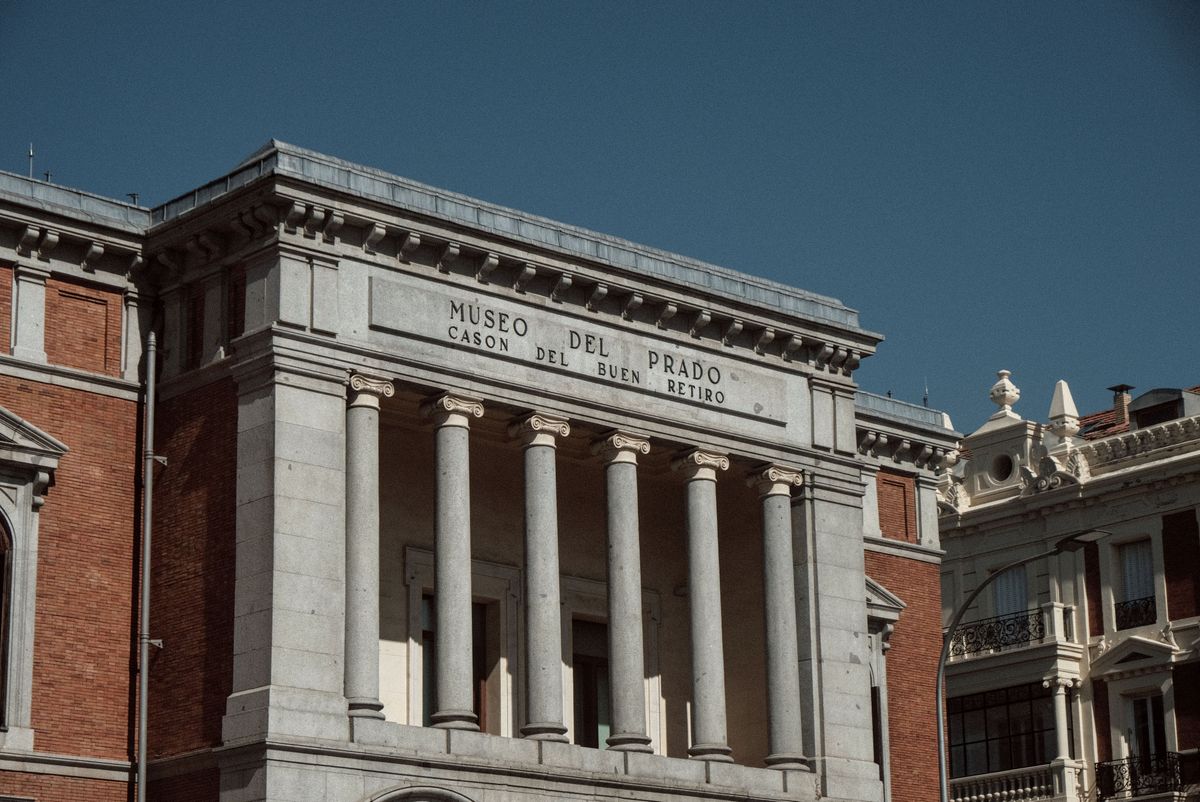
Madrid is the country's geographic and cultural centre, and often the arrival point. The Prado, Reina Sofía and Thyssen form one of the great museum triangles in Europe; the food scene around La Latina and Malasaña gives you a credible reason to skip them all for a day.

An hour or two out, Segovia's Roman aqueduct and Toledo's hilltop old city are both easy day trips — though each deserves an overnight if your schedule allows.

The Basque Country & the North
04

The Basque Country & the North

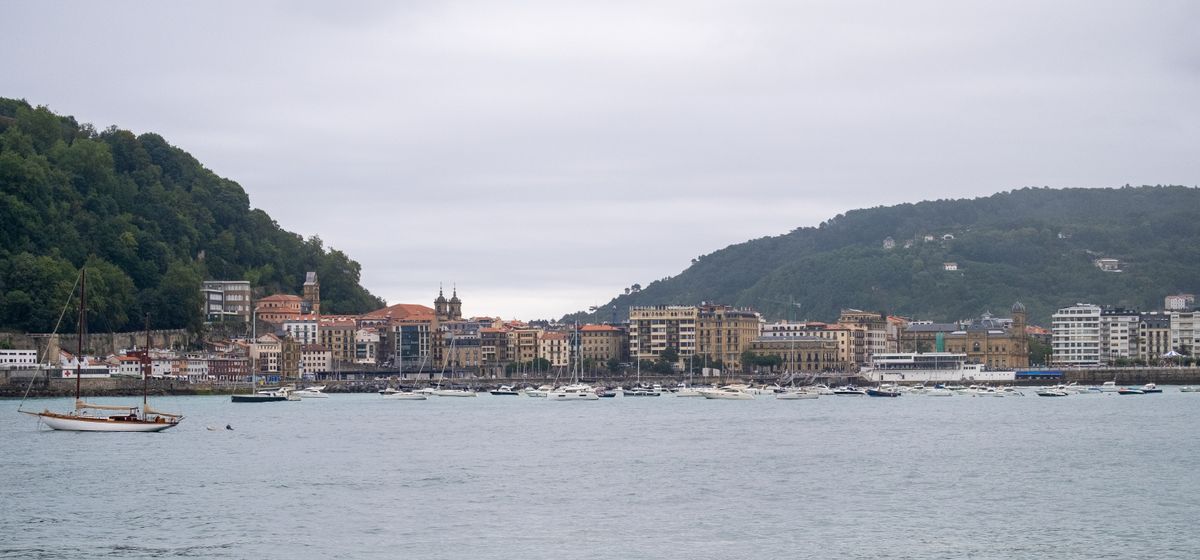
Bilbao, San Sebastián and the Basque coast sit in a different Spain — cooler, greener, wetter and with a food culture that punches well above the country's already high average. San Sebastián holds more Michelin stars per square metre than almost anywhere else in the world, but the pintxos bars in the old town are where most people end up happiest.

The Camino de Santiago trails cut through Galicia and Navarra too, drawing walkers from all over the world into a landscape that feels far removed from the Mediterranean coast.

The Balearic Islands
05

The Balearic Islands

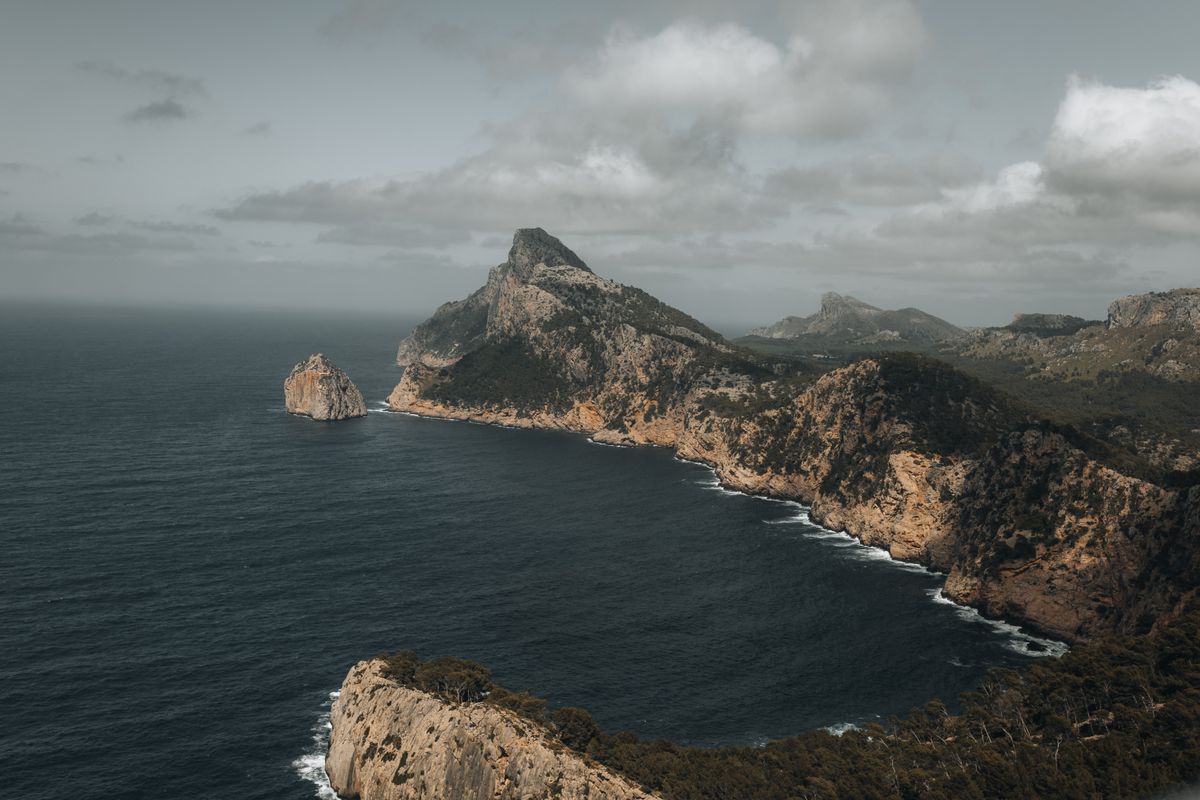
Mallorca, Ibiza and Menorca each attract a different kind of traveller — and all three reward the visitor who ventures beyond the most obvious beaches. Mallorca's Serra de Tramuntana offers serious walking and dramatic cliff roads; Ibiza's north has quiet coves and whitewashed villages a world away from the clubs; Menorca moves at its own pace, with almost no high-rise development and a coastline that takes the whole summer to explore properly.

The Canary Islands
06

The Canary Islands

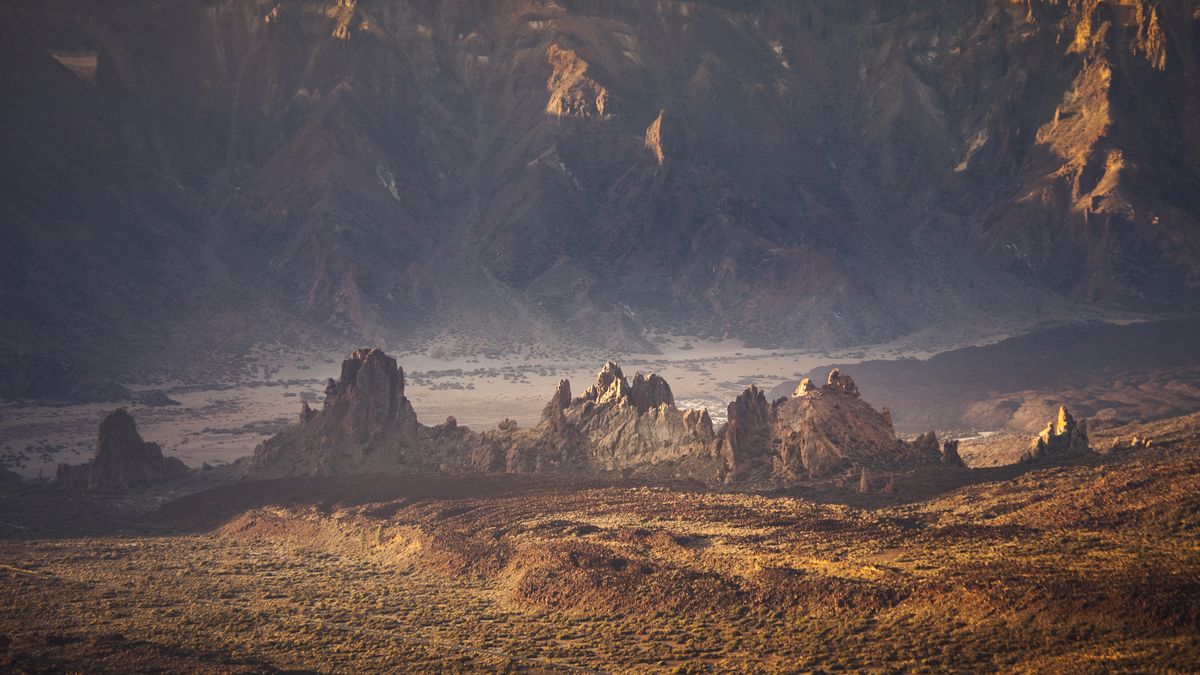
The Canaries sit off the coast of West Africa but belong to Spain — which means European standards with Atlantic island weather. Tenerife is the largest and most varied: Teide National Park, wine-growing villages and black sand beaches. Lanzarote is all volcanic drama; Fuerteventura is long sand dunes and consistent wind for water sports; Gran Canaria has the most diverse terrain of all four.

In winter, when the rest of Europe cools off, the islands hold steady around 20°C, which makes them the obvious choice for UK travellers in January or February.

When to travel to Spain

Spain's size means no single season suits the whole country equally well — a winter week in the Canaries and a summer week in Seville are almost different trips.

March to June
The sweet spot for most of Spain. Temperatures are comfortable, blossom is out in Andalusia and the Feria de Abril fills Seville in spring. Crowds build through June on the coast.
July to August
Peak beach season and peak prices. Inland cities — Seville, Córdoba, Madrid — bake at 35–42°C. Best saved for the coast, the islands or the cooler north.
September to October
Often the best window: the heat eases, the sea is still warm, and September in Barcelona or San Sebastián feels like summer with breathing room. Worth considering as a first choice.
November to February
Low season on the mainland brings lower prices and quieter cities. The Canary Islands are the exception — mild, busy enough to have everything open and a reliable winter-sun option.
Before you travel to Spain

Before you travel to Spain

Entry requirements
UK & US citizens: no visa needed for stays up to 90 days in any 180-day period.
Language
Spanish (Castilian) everywhere. Catalan in Catalonia and the Balearics; Basque in the north; Galician in Galicia.
Money
Euro (€). Cards accepted almost everywhere; cash still useful in smaller bars and markets.
Time zone
Mainland: CET (UTC+1), CEST (UTC+2) in summer — 1 hour ahead of the UK, 6–9 hours ahead of the US. Canary Islands: 1 hour behind the mainland.
Plugs & voltage
Type C and F (two round pins), 230V / 50Hz. UK and US travellers need an adaptor.
Health & insurance
No vaccinations required. UK travellers: carry a GHIC card for emergency NHS-equivalent cover. Travel insurance is strongly recommended for everyone.
Getting there
From the UK: 283 direct routes from London Heathrow, Gatwick, Manchester and more — 2–2.5 hrs to Madrid or Barcelona.
Getting around
High-speed AVE trains link Madrid, Barcelona, Seville and Valencia. Metro systems in Madrid and Barcelona.

Frequently asked questions about travelling to Spain

Do I need a visa for Spain from the UK or US?
No. Both UK and US citizens can enter Spain without a visa for stays of up to 90 days within any 180-day window. What you do need is a valid passport — issued within the last 10 years, with at least 3 months of validity remaining after the date you plan to leave Spain.
How much passport validity do I need for Spain?
At least 3 months' validity remaining after you depart the Schengen Area, plus the passport must have been issued within the last 10 years. Spain follows the Schengen standard — the 6-month rule that applies to some other destinations does not apply here. That said, check your passport well before you travel: it's a common last-minute stress.
What is ETIAS and will I need it?
ETIAS is a pre-travel authorisation for non-EU visitors to the Schengen Area, similar to ESTA in the US or ETA in the UK. It isn't required yet, but worth monitoring if you're planning a trip after late 2026.
What is the EES and how does it affect my crossing?
The EU Entry/Exit System launched in April 2026. It records biometric data — fingerprints and a photo — from non-EU travellers, including UK and US citizens, each time they enter or leave the Schengen Area. It replaces passport stamping. Expect slightly longer queues at the border on your first visit after enrolment.
What does the 90/180-day rule mean for me?
As a UK or US citizen you can spend a maximum of 90 days in the Schengen Area (which includes Spain) in any rolling 180-day period. If you visit multiple Schengen countries on one trip, all days count together. Most holiday trips are well within the limit, but it matters if you winter in the Canaries for months at a time.
How many days do you need in Spain?
A long weekend covers one city well. Ten to twelve days let you combine two or three regions comfortably — Madrid plus Andalusia, or Barcelona plus the Balearics. If you want mainland highlights and an island, two weeks is the comfortable minimum. Spain rewards slower travel: the country reveals itself at the table and in the side streets, not from a coach window.
Is Seville too hot to visit in summer?
Honestly, yes — for most people. July and August regularly bring 38–42°C, which turns sightseeing into an ordeal by midday. The city is best visited in spring (March–May) or autumn (October–November), when temperatures are warm but manageable. The Feria de Abril in spring is worth planning around if you can.
Which Canary Island is right for me?
Tenerife is the most varied: volcano, wine country and beach. Lanzarote suits those after striking scenery and quiet. Fuerteventura is the best for water sports and long sandy beaches. Gran Canaria has the most diverse landscape, with dunes in the south and green hills in the north. All four offer mild weather in winter, which is the main reason people head there from the UK between November and February.

Ready to plan your trip to Spain?

Tell us where you want to go, how long you have and what kind of traveller you are.

Step 1 of 4
When and for how long?
Length
Made withsiteway.travel