Country

Trips to Malta

Three islands, six thousand years of history, one very short flight

Fewer than four hours from the UK and crammed with UNESCO sites, golden limestone streets and water the colour of cut glass — travelling to Malta rewards those who slow down enough to actually look.

Your Malta trip, designed around you
Tailor-made

Your Malta trip, designed around you

Tell us how you like to travel — beach-heavy or heritage-led, island-hopping or settled in one place — and we'll put together a Malta trip that fits. We handle the details so you don't have to.

Request a tailor-made proposal
A cathedral floor that tells you everything
Malta

A cathedral floor that tells you everything

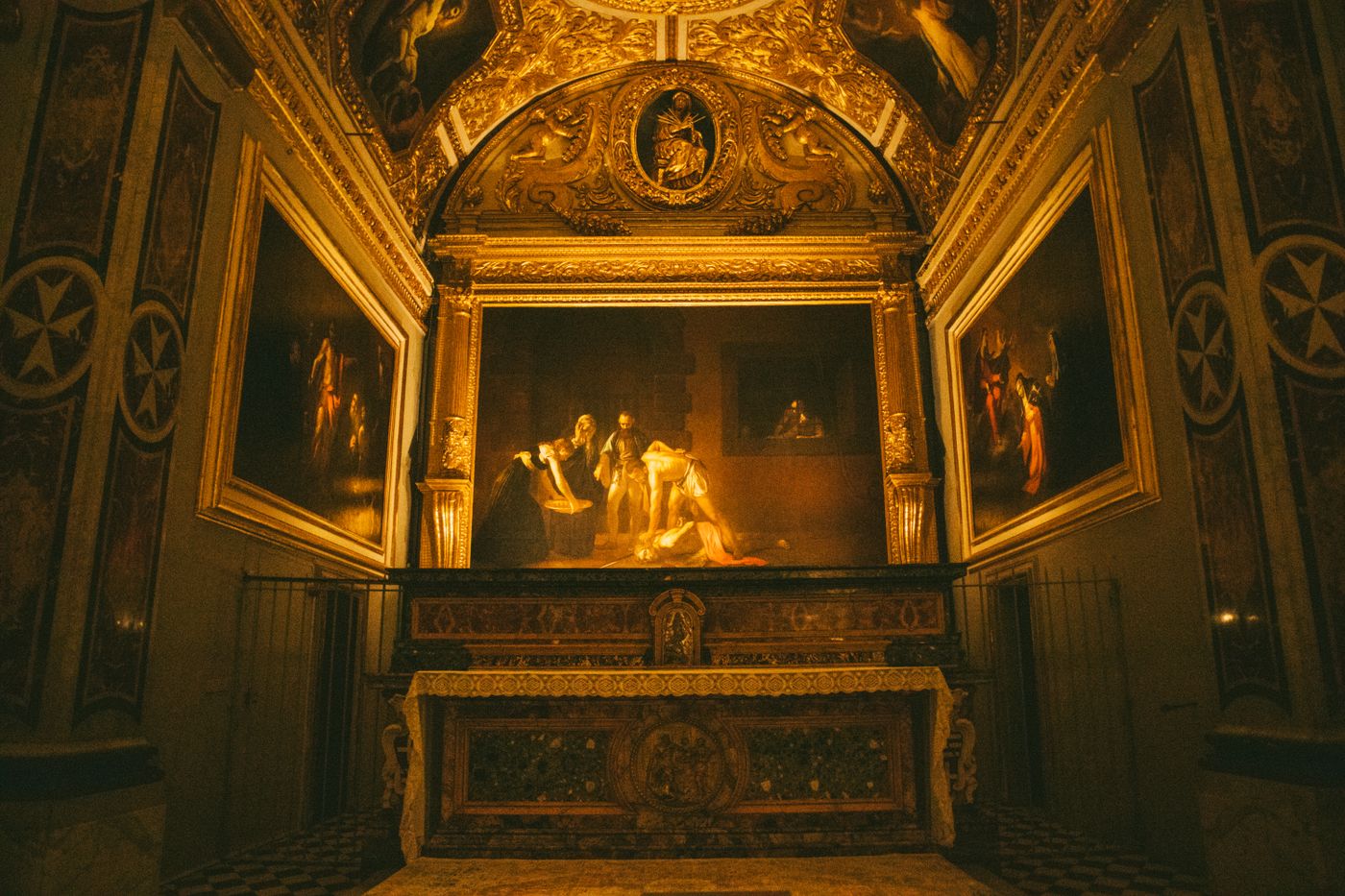
Inside St John's Co-Cathedral in Valletta, you're walking on the marble tombstones of the Knights of Malta — hundreds of them, inlaid with heraldry and Latin. Two Caravaggios hang in a side chapel, including his largest-ever canvas. No painting in Europe quite lands like this one in this room.

Gozo moves at a different speed

Gozo moves at a different speed

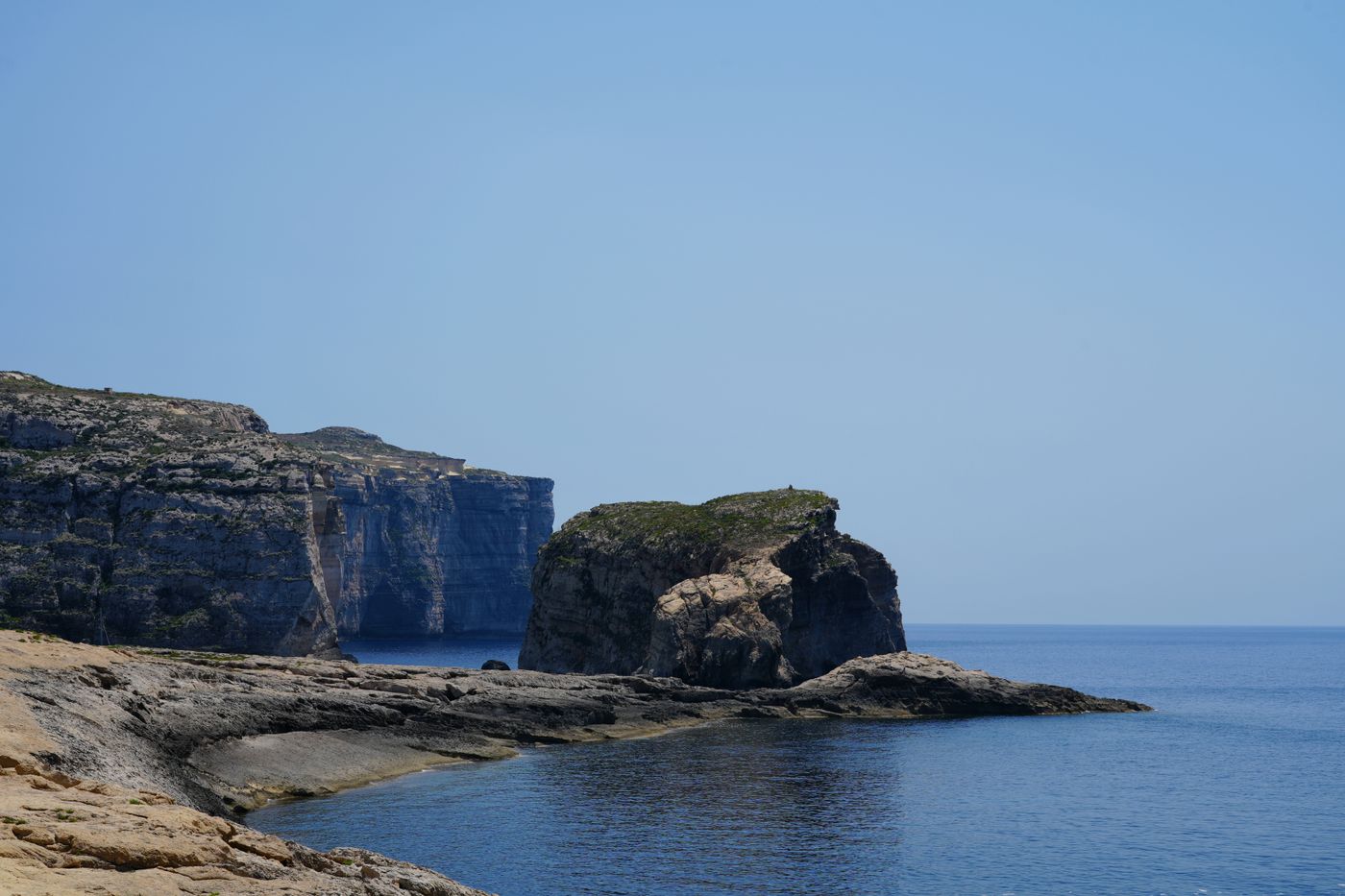
The ferry crossing takes twenty-five minutes and feels like arriving somewhere else entirely. In Gozo, the pace drops, the terraces empty out by ten, and the dive sites off Dwejra — the Blue Hole, the Inland Sea tunnel — draw serious underwater photographers from across Europe.

Mdina before the coaches arrive

Mdina before the coaches arrive

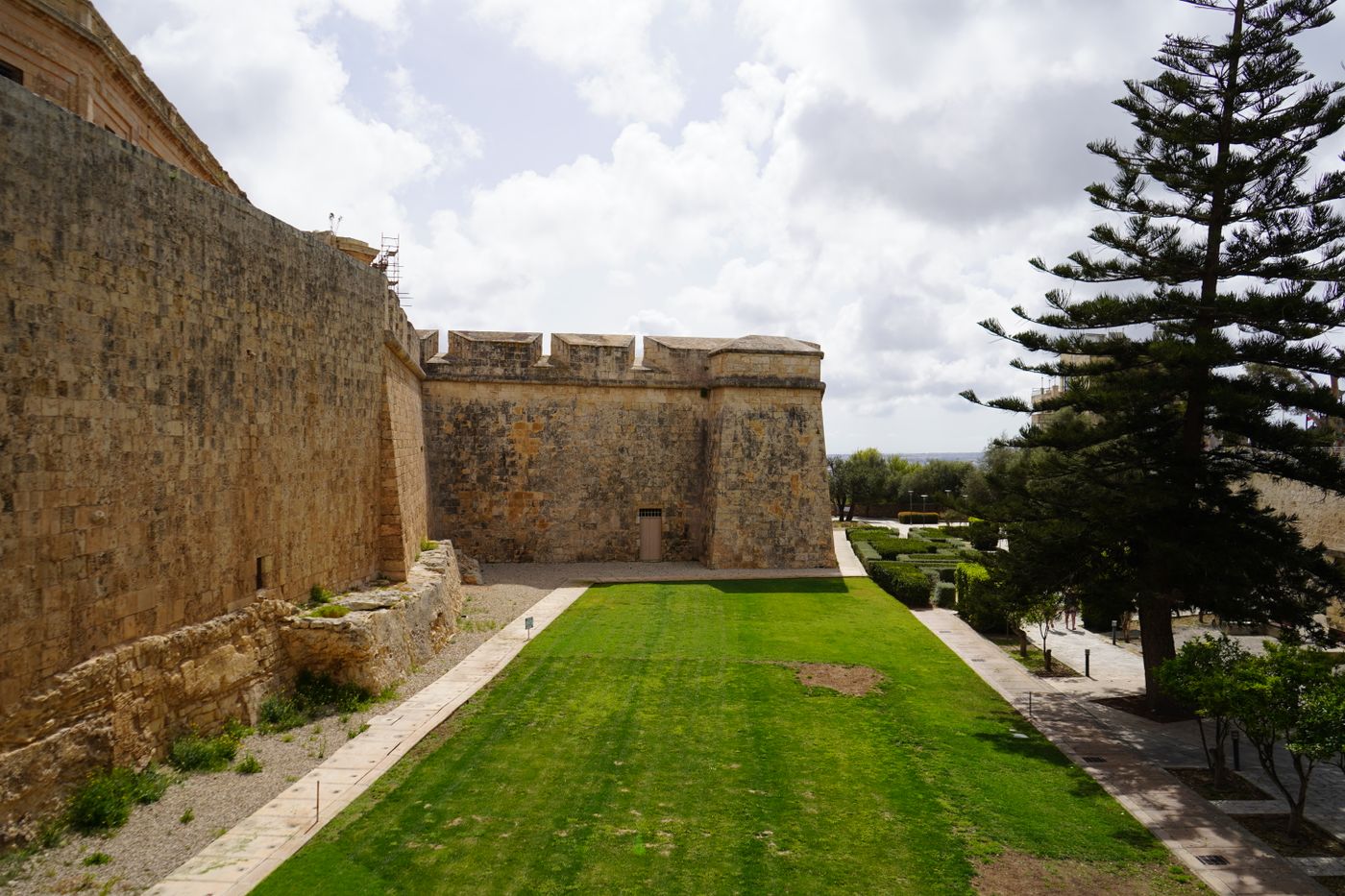
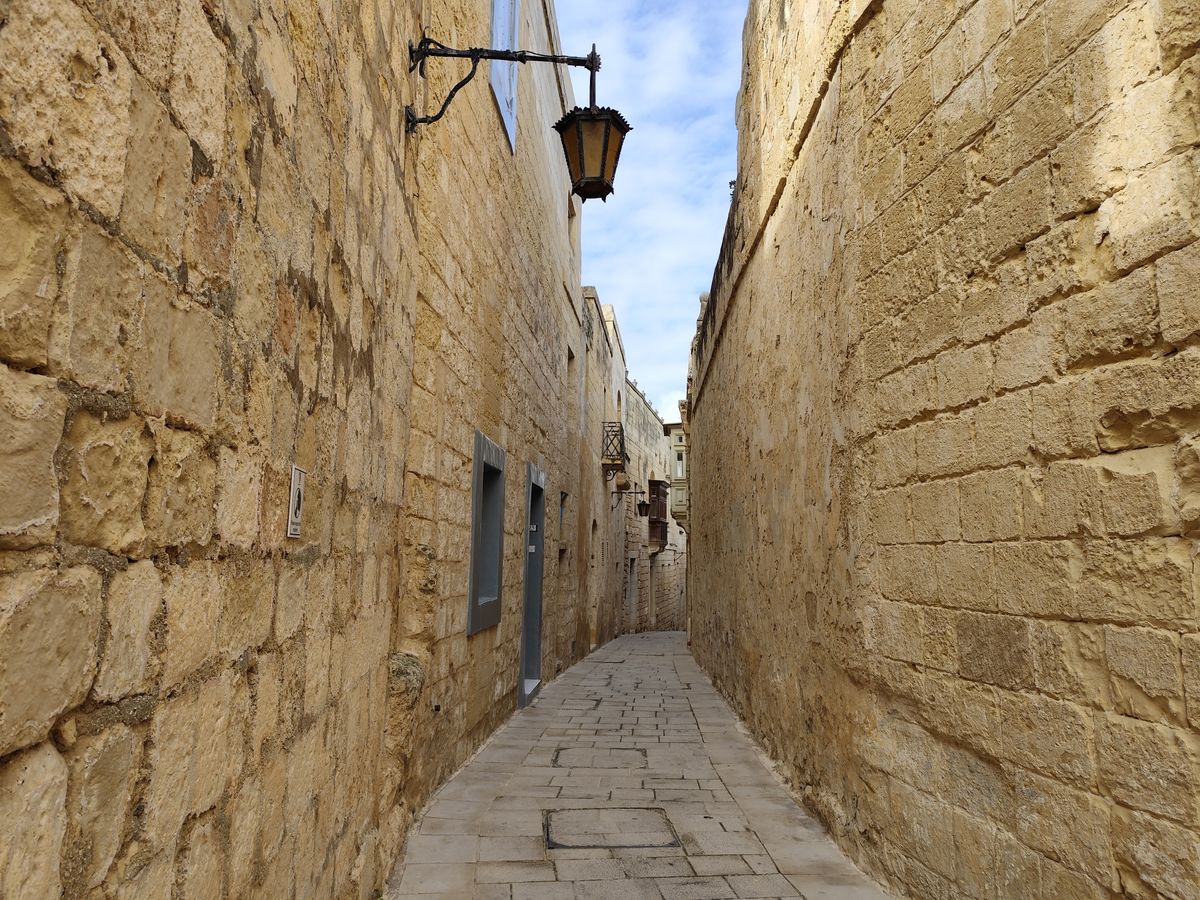
The walled city of Mdina has fewer than three hundred permanent residents. Walk its limestone alleys early — before the day-trippers — and you understand why they call it the Silent City. The views across the island stretch almost to the sea.

How Dear Explorer Travel works Malta

  1. 01

    Built around your pace

    Malta punishes rushing. We plan your days so you have time to linger in Valletta, catch the ferry to Gozo and still find a quiet bay — without cramming in every sight on the island.

  2. 02

    Tailor-made and cruise options

    Malta works brilliantly as a standalone tailor-made stay or as a cruise port of call. We offer both, and help you decide which suits the trip you actually want to take.

  3. 03

    Honest booking advice

    Some things in Malta — like the Hypogeum — sell out months ahead. We flag what needs early planning so you don't arrive and find the door closed.

We plan your trip to Malta

We help you choose how, when and for how long.

Request my proposal
Guide

What to see and do in Malta

Malta, Gozo and Comino each have their own character. Below is a zone-by-zone guide to help you decide where to spend your time — and how much of it.

Valletta
01

Valletta

Malta's capital is one of the smallest and most heritage-dense in Europe — founded in 1566 by the Knights of Malta and a UNESCO World Heritage Site. St John's Co-Cathedral, the Upper Barrakka Gardens (Grand Harbour views, full stop) and Fort Saint Elmo are the anchors. Allow at least a full day, ideally two: Valletta rewards walking slowly and eating well between stops.

Mdina and Rabat
02

Mdina and Rabat

The Silent City sits on a hill at the centre of the island, its limestone walls keeping out traffic and noise alike. Fewer than three hundred people live here; it belongs to them (and to you, if you go early). Just outside the walls, Rabat holds Roman-era catacombs and the grotto where St Paul is said to have sheltered after his shipwreck in 60 AD.

Mdina works as a half-day from Valletta or as an overnight if you want the streets to yourself at dusk and dawn.

The Ħal Saflieni Hypogeum
03

The Ħal Saflieni Hypogeum

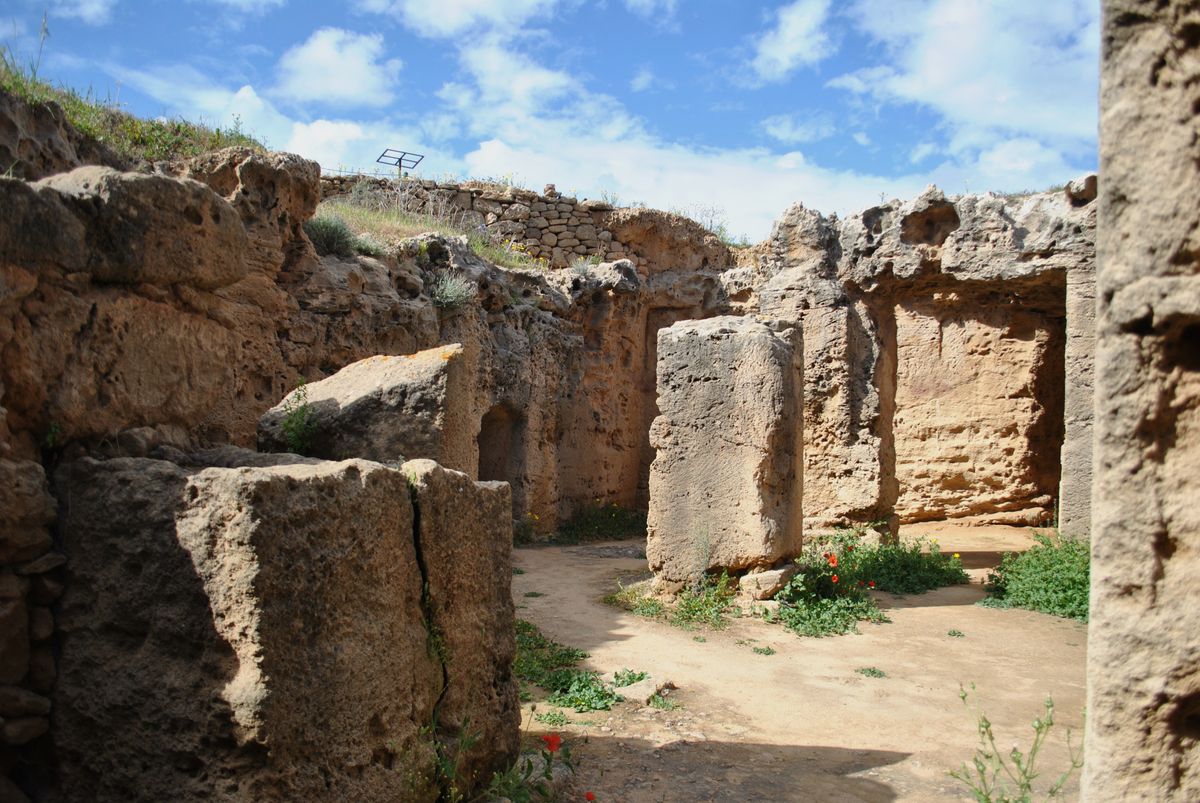
Carved into rock around 4000 BC, this underground burial complex near Paola is one of the most remarkable Neolithic sites in the world — and one of the hardest to get into. Visitor numbers are strictly capped, and tickets sell out weeks or months ahead, particularly from June to September.

Book as early as you possibly can. A very small number of walk-up slots may appear at the National Museum of Archaeology in Valletta the day before — but don't rely on it.

Gozo
04

Gozo

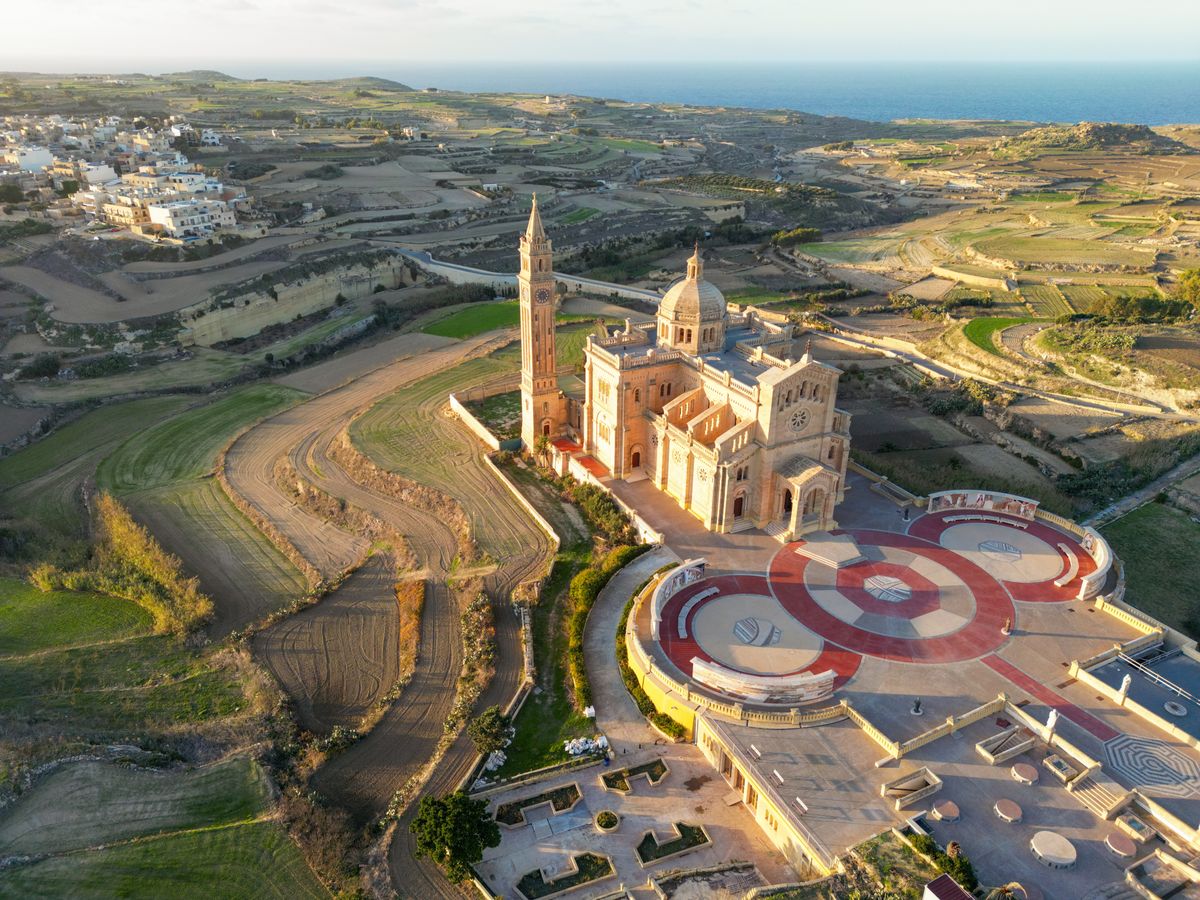
Malta's sister island is quieter, greener and slightly less polished — which is precisely the appeal. The Cittadella, a fortified hilltop city in Victoria, anchors the heritage side. The Ġgantija Temples in Xagħra — older than the Pyramids of Giza — are a short drive away and rarely crowded.

For divers, the Blue Hole and the Inland Sea tunnel at Dwejra are among the best dive sites in the Mediterranean. The salt pans at Xwejni are worth the detour for the light alone. A regular ferry runs from Malta.

Blue Lagoon, Comino
05

Blue Lagoon, Comino

The water really is that colour — shallow, turquoise and clear enough to see the sandy bottom from a boat. Comino is almost uninhabited, and the Blue Lagoon is its main draw. In July and August, it's extremely busy: boats queue up and the beach fills fast.

For more breathing room, Crystal Lagoon around the headland is calmer. If you want to explore beyond the water, a two-hour walk takes in St Mary's Tower and the island's abandoned Napoleonic-era hospital. Go early, or go in spring or autumn.

The Blue Grotto and the south coast
06

The Blue Grotto and the south coast

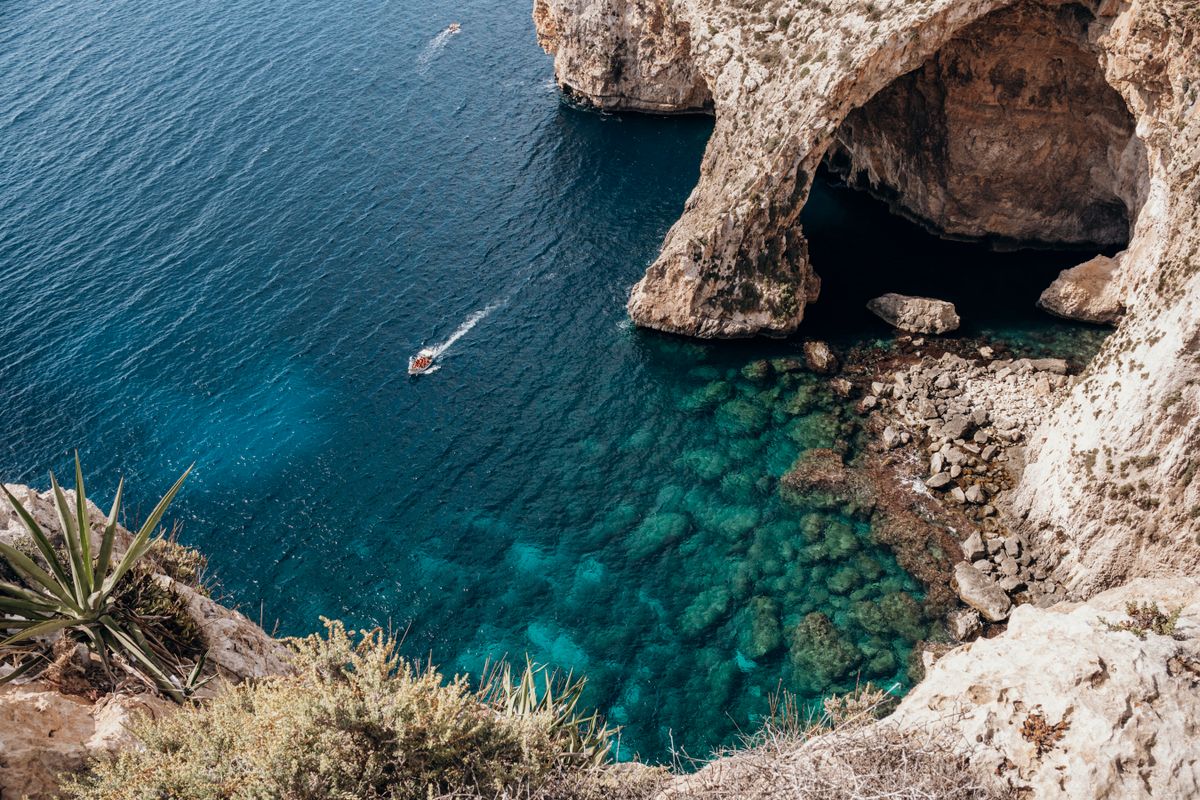
Near the fishing village of Zurrieq, the Blue Grotto is a sea cave that fills with deep blue light when the sun is at the right angle — accessible by a short boat trip. The surrounding coastline has some of Malta's best swimming spots: Għar Lapsi and Saint Peter's Pool are both away from the main tourist trail and better for it.

When to travel to Malta

Malta's climate is reliably good for most of the year, but the gap between shoulder season and peak summer is bigger than you might expect.

April to June
Temperatures around 20–25°C, the sea warming up, crowds still manageable. May is widely considered the sweet spot: green countryside, open water, no peak-season pressure.
July to August
Peak season: highs of 31–32°C, long days and excellent beach conditions. The Blue Lagoon gets extremely busy. Expect higher prices and book everything — especially the Hypogeum — well in advance.
September to October
The sea stays warm from a full summer of sun, temperatures drop to a comfortable 25–29°C and the crowds thin out fast. Late September and October are ideal for diving, walking and sightseeing.
November to March
Low season: cooler (around 16–17°C), wetter and cheap. Swimming is off the table, but Valletta and Mdina are at their least crowded. Good for history-focused trips on a tighter budget.
Before you travel to Malta

Before you travel to Malta

Passport & visa
UK and US citizens: no visa needed for up to 90 days (Schengen 90/180-day rule).
Language
Official languages are Maltese and English. English is widely spoken everywhere — no language barrier for UK or US travellers.
Currency
Euro (€). Card payments are widely accepted. Sterling and US dollars are not standard currency but can be exchanged.
Time zone
CET (UTC+1 in winter, UTC+2 in summer). UK: 1 hour ahead. US East Coast: 6 hours ahead in summer, 5 in winter.
Plugs & voltage
Type G three-pin plugs at 230V/50Hz — same as the UK. No adapter needed for UK travellers. US travellers need both an adapter and a voltage converter.
Health & safety
No vaccinations required. No travel advisories from the UK FCDO or US State Department. Travel insurance is strongly recommended.
Getting there
From the UK: direct flights from London (Gatwick, Heathrow, Luton, Stansted), Manchester, Birmingham, Bristol and more — around 3h 26m.
Getting around
Hop-on/hop-off buses and ferries cover most sights on Malta and Gozo at low cost. Gozo ferry runs regularly from Ċirkewwa in northern Malta.

Frequently asked questions about travelling to Malta

How many days do I need in Malta?
Five to seven days covers Valletta, Mdina, Gozo and Comino at a comfortable pace without rushing. If you want to dive seriously or spend real time on Gozo, a week or more makes sense. Short breaks of three to four days work well for Valletta and the main sights only.
Do I need a visa to visit Malta with a UK or US passport?
No. Both UK and US citizens can enter Malta visa-free for up to 90 days within any 180-day period under Schengen rules. Your UK passport must be valid for at least 3 months after you leave the Schengen Area and issued within the last 10 years.
Can I fly direct to Malta from the UK or US?
From the UK, yes — there are 17 direct routes from airports including London, Manchester, Birmingham, Bristol and Glasgow, with a flight time of around 3h 26m. From the US, most travellers connect via a European hub. A seasonal direct route from New York JFK operates approximately September to October only.
How do I get to Gozo and Comino?
A regular car and passenger ferry runs from Ċirkewwa in northern Malta to Gozo — the crossing takes around 25 minutes. Comino is reached by smaller ferry boats from either Malta or Gozo; there are no cars on the island and no permanent tourist facilities.
Is the Blue Lagoon worth visiting, and how crowded does it get?
Yes — the water is genuinely striking. But in July and August it gets very busy: boats line up and the shore fills quickly. Going early in the morning or visiting in May, June or October makes a real difference. Crystal Lagoon, around the headland, is a calmer alternative.
Do I need to book the Hypogeum in advance?
Yes — as far in advance as possible. The Ħal Saflieni Hypogeum has strict daily visitor limits and tickets sell out well ahead, especially June to September. A very small number of walk-up slots may appear at the National Museum of Archaeology in Valletta the day before, but this is not reliable.
What currency does Malta use, and can I pay with pounds or dollars?
Malta uses the euro. Card payments are widely accepted across hotels, restaurants and shops. Sterling and US dollars are not generally accepted as payment but can be exchanged at banks and bureaux de change.
Is Malta good for diving and snorkelling?
Very. Malta is one of Europe's top diving destinations — clear water, warm temperatures from late spring and a range of sites from beginner-friendly reefs to advanced wrecks and cave systems. Gozo's Blue Hole and Inland Sea tunnel are the headline sites. Diving Malta attracts significant interest among UK travellers specifically.

Ready to start planning your Malta trip?

Send us your questions or a rough idea of what you're looking for, and we'll come back to you with honest advice on timing, pace and what to prioritise.

Step 1 of 4
When and for how long?
Length
Made withsiteway.travel