Country

Trips to Italy

From a Roman sunset to truffle season in Tuscany, Italy rewards those who look closely.

Viajar a Italia es enfrentarse a demasiadas buenas opciones. En Dear Explorer diseñamos tu viaje a medida para que no elijas entre Roma o Sicilia, sino que sepas cuándo y por qué elegir cada una.

Your Italy, built around you
Tailor-made

Your Italy, built around you

No two Italy trips look the same, and that's exactly the point. Tell us what draws you — art cities, coastline, food, mountains — and we'll put together a route that fits how you actually travel.

Request a tailor-made proposal
The hour before the city wakes up
Italy

The hour before the city wakes up

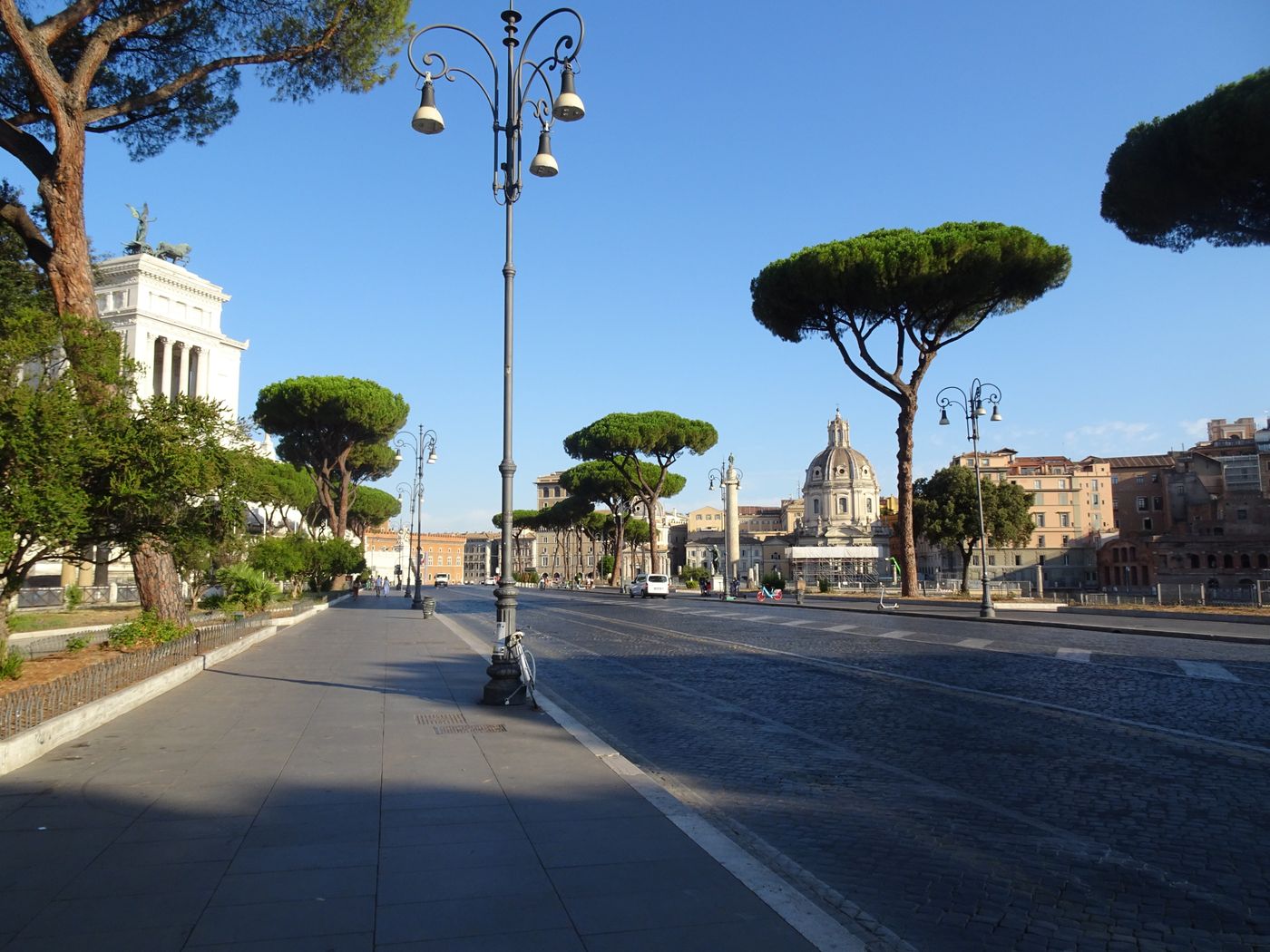
Walk the streets of Rome at dawn — past the Pantheon, across Campo de' Fiori — and the city belongs to you. No queues, no noise, just ochre light on ancient stone. That first coffee at a bar with locals sets the tone for everything that follows.

A window seat on the high-speed south

A window seat on the high-speed south

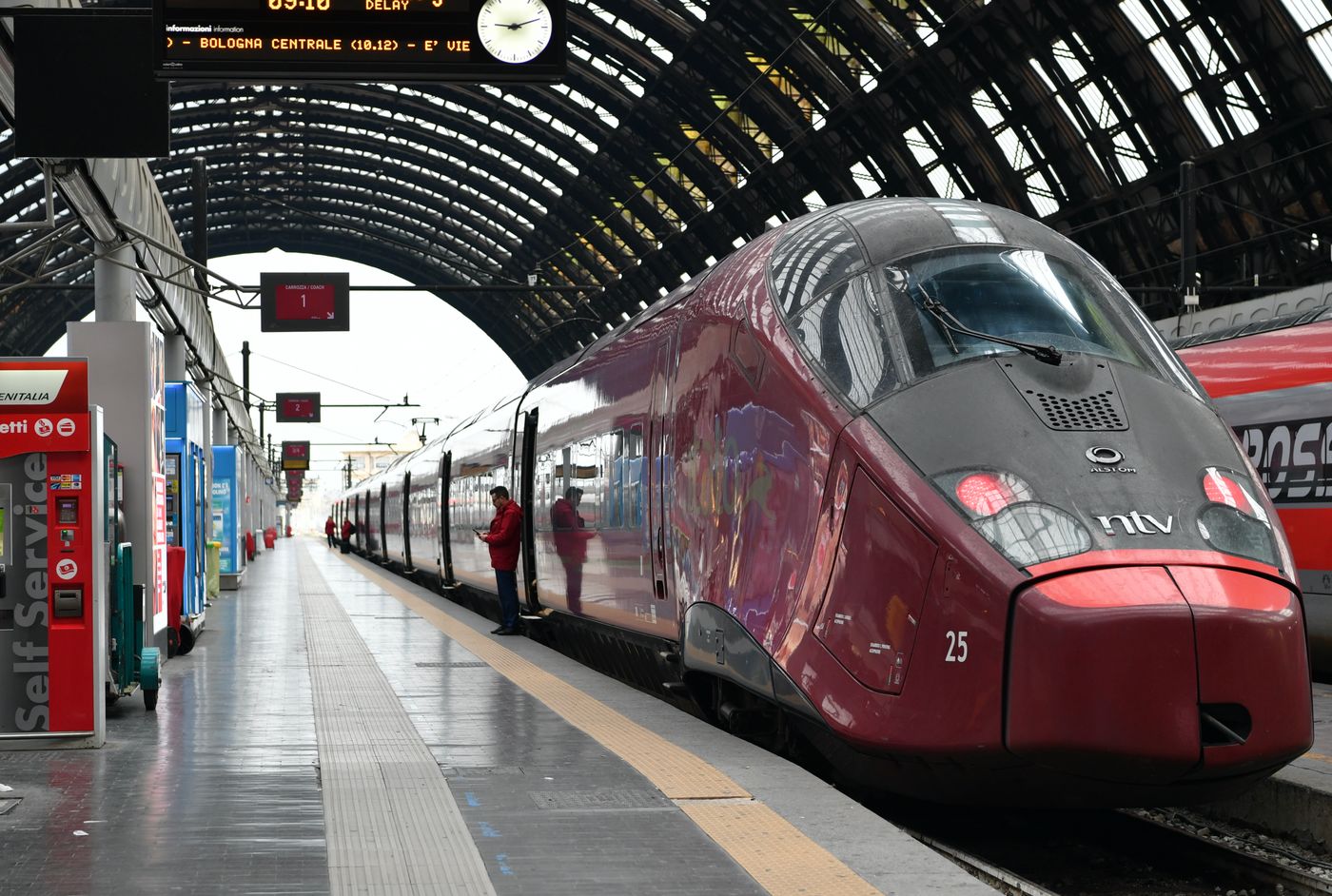
Board the Frecciarossa in Florence and two hours later you're in Naples, with Vesuvius visible from the platform. Italy's high-speed rail network turns what looks like a complicated country into something entirely manageable — and the views along the way earn their keep.

October in a Tuscan vineyard

October in a Tuscan vineyard

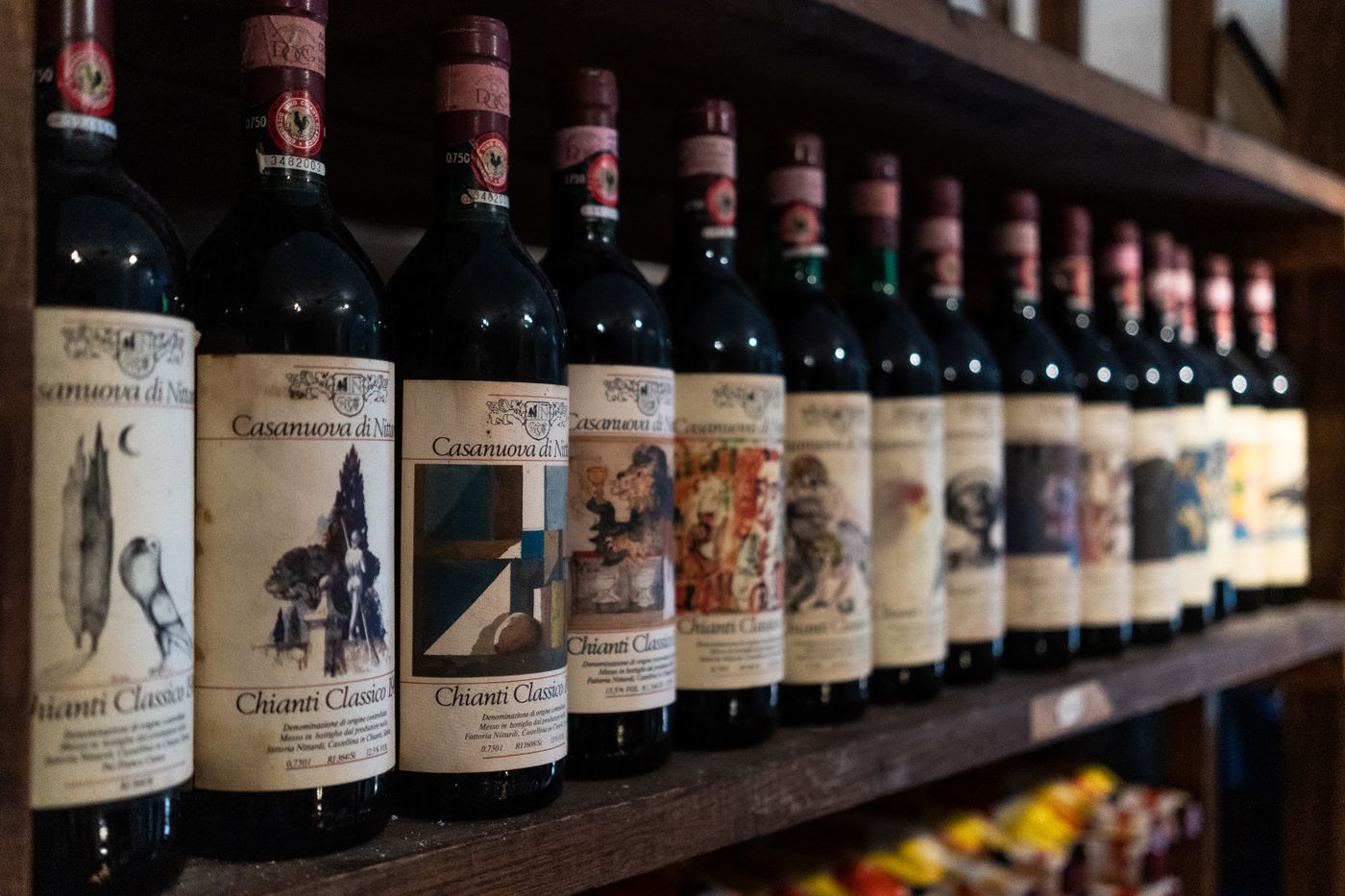
Harvest season strips away the summer crowds. In late September and October, wine estates in Chianti open their cellars, truffle hunters work the hillsides near San Miniato, and the light turns the kind of amber that photographers travel weeks to catch.

How we put your Italy trip together

We work across all formats — tailor-made journeys and cruises — so your Italy trip is shaped around what you want, not what's left in an allocation.

  1. 01

    Truly tailor-made

    Every trip we build is designed from scratch. You tell us your travel style, pace and interests; we map out a route and a set of options that make sense for you.

  2. 02

    Trips for every traveller

    Couples, families, solo travellers — Dear Explorer works with all of them. Italy has the range to suit each, and we help you find the version that fits.

  3. 03

    Cruises included

    Want to see the Amalfi Coast, Sicily and the Aeolian Islands without unpacking every night? We also arrange cruise options that take in Italy's most spectacular coastlines.

We plan your trip to Italy

We help you choose how, when and for how long.

Request my proposal
Guide

What to see in Italy

Italy is not one destination — it's a collection of very different countries under one flag. Here's how to read it zone by zone, so you can decide where your time is best spent.

Rome & Lazio
01

Rome & Lazio

Two thousand years of history stacked on top of each other: the Colosseum, the Vatican, the Forum, the Borghese Gallery. Rome rewards slow walkers who get off the main routes — the Trastevere neighbourhood and the Aventine hill feel like a different city to the tourist centre.

Plan at least three full days; four is better. Book the Vatican and the Colosseum in advance — queues without a reservation can cost you half a day.
Tuscany & Florence
02

Tuscany & Florence

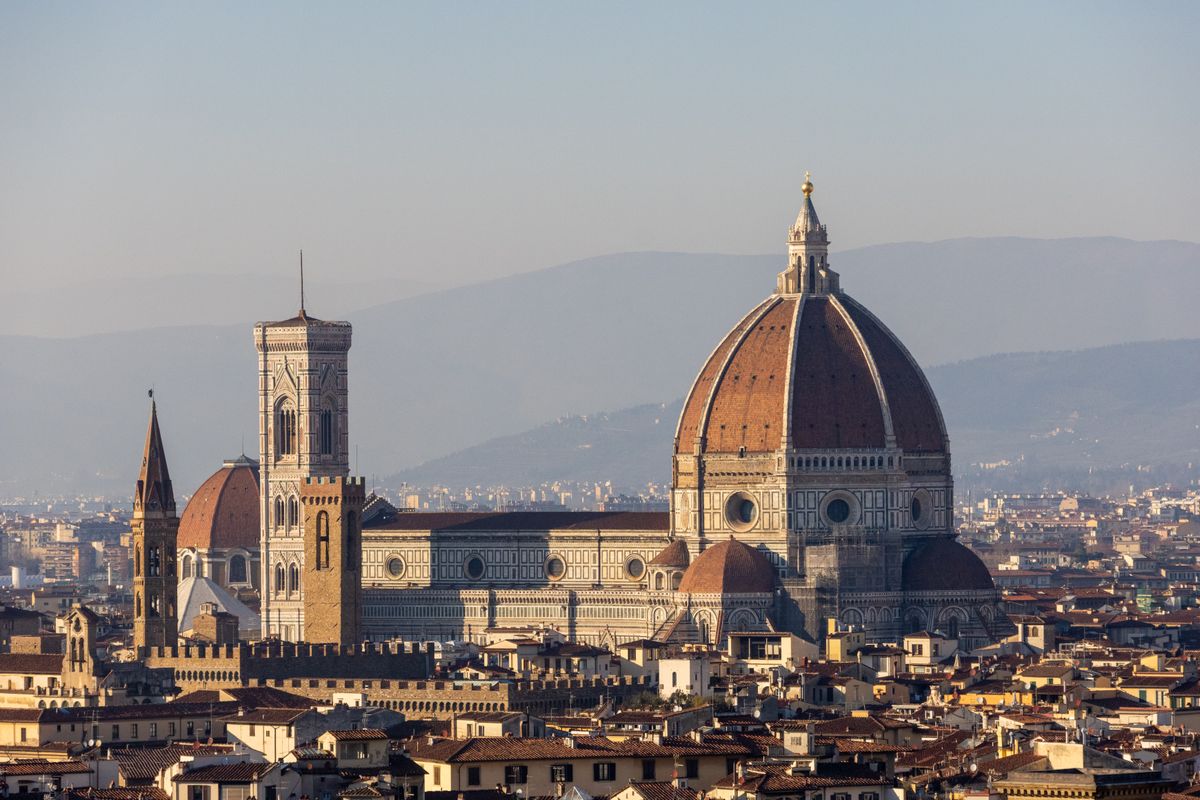
Florence holds the Uffizi, the Accademia (Michelangelo's David), the Duomo and some of the finest Renaissance architecture in the world — all in a city compact enough to cover on foot. Beyond Florence, Tuscany opens up: Siena, the Val d'Orcia, San Gimignano, the Chianti wine road.

The Tuscan countryside is best explored by car — trains reach Florence easily, but the hilltowns in between require wheels.

Venice & the Veneto
03

Venice & the Veneto

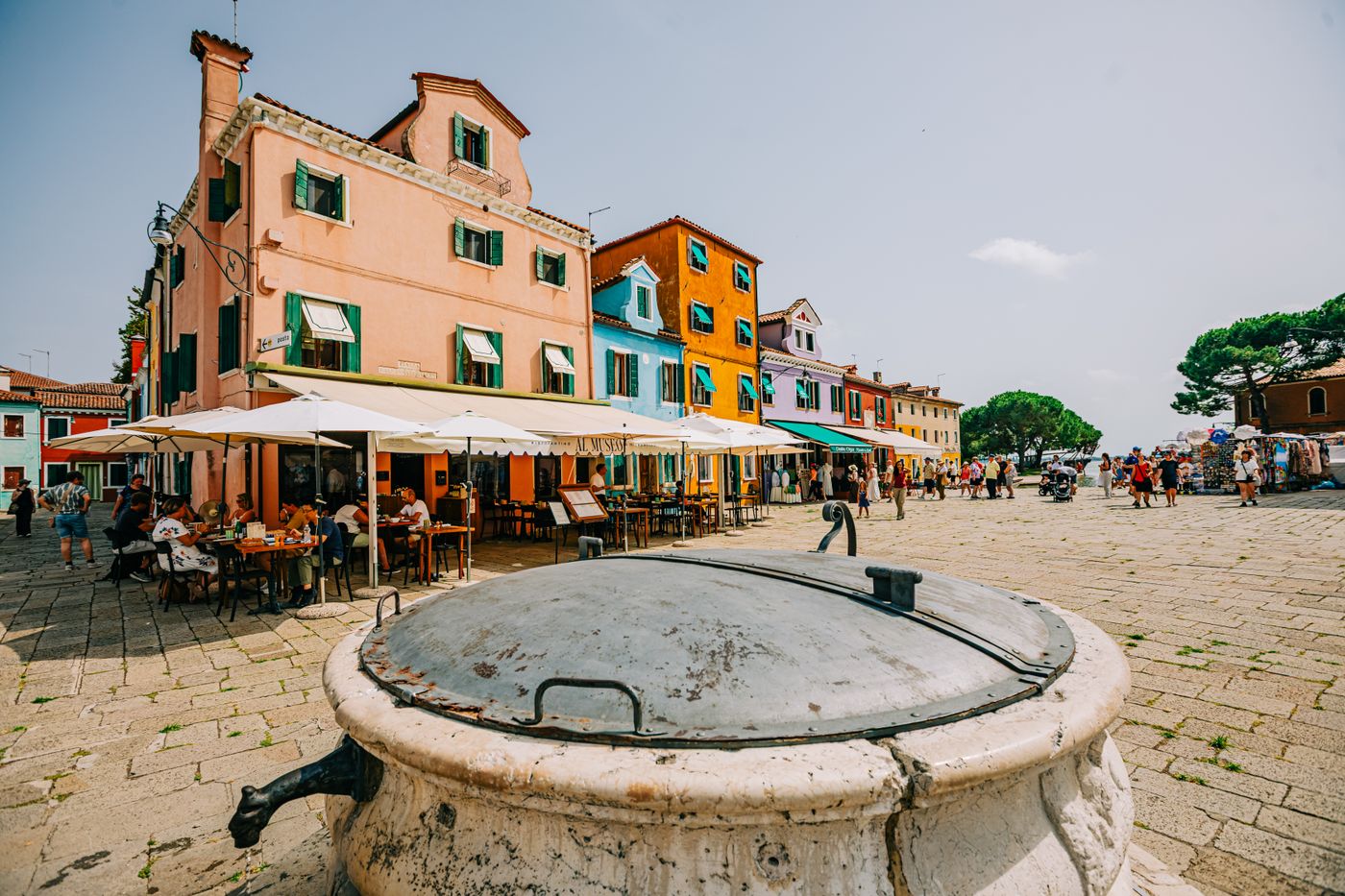
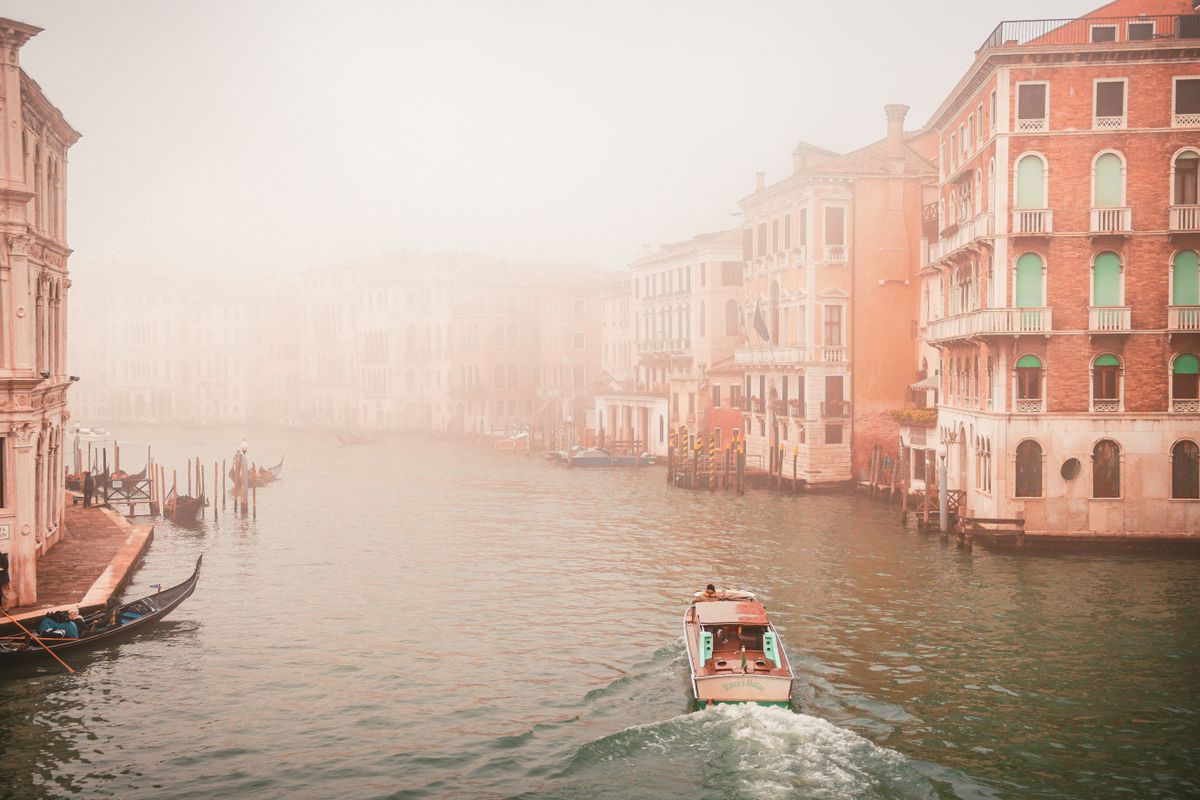
Venice operates on its own logic: no cars, no straight lines, and a labyrinth of canals that still manages to surprise even on a return visit. Go in the low season — February's Carnevale for atmosphere, or November for quiet — and you'll find the city at its most itself.

The Veneto beyond Venice includes Verona (the Arena, the old centre), the Euganean Hills and Vicenza — all easy day trips or stopovers en route.

Amalfi Coast, Naples & Pompeii
04

Amalfi Coast, Naples & Pompeii

The Amalfi Coast is one of the most dramatic shorelines in Europe: cliffside villages, turquoise water, and roads that require a steady nerve if you're driving. Positano, Ravello and Amalfi itself each have their own character. Naples, an hour north, is where the best pizza in Italy comes from — and Pompeii, just outside the city, is one of the most affecting historical sites in the world.

Note: the coast roads are narrow and summer traffic is heavy. Ferries between towns are often the smarter choice in July and August.

Sicily
05

Sicily

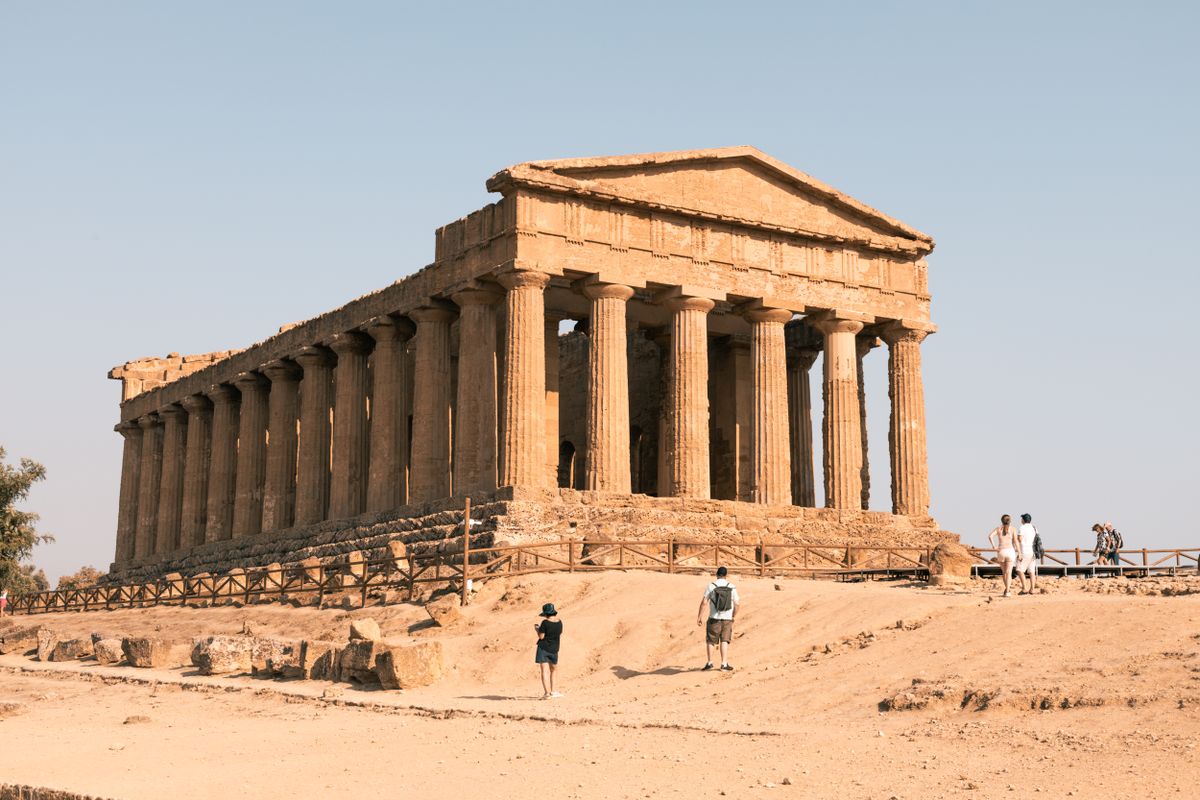
Sicily is the largest island in the Mediterranean and feels like a destination in its own right: Greek temples at Agrigento, the baroque towns of Val di Noto, Mount Etna, the street food markets of Palermo and Catania, and a coastline that shifts from craggy black lava to white-sand coves.

Direct flights from UK and US airports reach Catania and Palermo, making Sicily work as a standalone trip or a final leg after the mainland.

When to travel to Italy

The right time depends on what you're after — here's a honest breakdown by season.

April to June
Pleasant temperatures across the country, wildflowers in Tuscany and the Amalfi hills, and crowds that haven't yet hit peak. The best all-round window for first-timers.
July and August
Hot and busy everywhere — temperatures regularly above 30°C in the south and in Rome. The most expensive flights and hotels. Worth it only if beaches are the priority.
September and October
Arguably the finest window: warm enough for the coast (sea temperature peaks in September), truffle and harvest season in Tuscany, and noticeably fewer crowds. Rome averages 23°C in October.
November to March
Cities are quiet and cheaper; the Dolomites and Trentino open ski season in January. Venice in February hosts Carnevale. The south stays mild, but some coastal resorts close.
Before you travel to Italy

Before you travel to Italy

Passport & entry
UK and US citizens: no visa for stays up to 90 days. Passport must be valid 3+ months beyond departure (carry 6 months to be safe).
Language
Italian. English is widely spoken in hotels, tourist areas and restaurants in major cities.
Currency
Euro (€). Cards accepted widely in cities; smaller towns and markets may prefer cash.
Time zone
CET (UTC+1 in winter, UTC+2 in summer). 1 hour ahead of the UK; 6–9 hours ahead of the US.
Electricity
230V / 50Hz. Type F (two-pin round) sockets. UK and US visitors need an adaptor.
Health & insurance
No vaccinations required for Italy. Travel insurance is strongly recommended. UK travellers: GHIC card covers emergency NHS-equivalent treatment.
Getting there
167 direct UK–Italy routes; London Gatwick–Rome takes ~2h 14m. From the US, JFK–Rome nonstop is ~8h 30m.
Tipping
Not obligatory. Rounding up the bill or leaving a euro or two at restaurants is common and appreciated, not expected.

Frequently asked questions about travelling to Italy

Do UK and US citizens need a visa for Italy?
No — both UK and US passport holders can enter Italy visa-free for up to 90 days in any 180-day period. Your passport must remain valid for at least 3 months after your planned departure from the Schengen area; most travel advisors recommend carrying 6 months to be safe.
What is ETIAS — and will I need it for my trip?
ETIAS is an online travel authorisation (not a visa) that the EU plans to introduce for UK and US citizens. It requires a short application, a €7 fee and is valid for three years. It is expected to launch in late 2026, but the date has shifted several times — check the latest status before you book.
How many days do I need in Italy?
For a first trip covering Rome, Florence and one other destination (Venice, the Amalfi Coast or Tuscany), 10–14 days works well. A week is enough for one region done properly. Sicily, the Dolomites and the Lakes each deserve their own trip.
How should I get around — train or hire car?
Trains are the easiest way to move between major cities. The high-speed network (Trenitalia and Italo) connects Rome, Florence, Naples, Milan and Venice in under three hours. A hire car makes sense for the Tuscan countryside, Sicily and the south — but avoid driving into city centres and along the Amalfi Coast in peak summer.
When should I go to avoid the worst crowds?
April to June and September to October are the sweet spots — good weather, manageable crowds and better availability. July and August are the busiest and most expensive months, with Rome and Venice particularly packed. If summer is your only option, start early each day and book everything in advance.
Is Italy safe to travel to?
Yes. The US State Department rates Italy at Level 2 ('Exercise Increased Caution'), the same level as France and the UK, mainly due to general terrorism awareness in capital cities — not crime directed at tourists. Standard city precautions apply: watch for pickpockets in crowded tourist sites.
Do restaurants in Italy accept credit cards?
Most restaurants, hotels and shops in cities accept cards. In smaller towns, rural trattorias and markets, cash is often preferred or required. Carry some euros for smaller purchases and always check before you order.
Can I combine Italy with another destination?
Easily. Italy sits at the heart of Europe — Sicily is a short ferry from Malta, and northern Italy connects to the French Riviera, Switzerland and Croatia. If you're flying into one city and out of another, open-jaw flights keep things simple and save backtracking.

Ready to plan your Italy trip?

Drop us a message with your rough idea — where you're thinking of going, how long you have, who's travelling — and we'll come back with some honest options.

Step 1 of 4
When and for how long?
Length
Made withsiteway.travel